
Shipping a vehicle to Nigeria? We handle cars, 4x4s and vans by RoRo or container.
We ship vehicles to Nigeria by sea: a standard car is £2,000, an SUV £2,500–£3,500 and a van £3,500–£5,000 — and those prices include clearing, import duty and port charges at Apapa, so there is no second bill at the port. Larger cars are priced on length and width. Nigeria does not allow the import of vehicles more than 12 years old from the year of manufacture — check that before you buy, because it is the single most expensive mistake on this route.
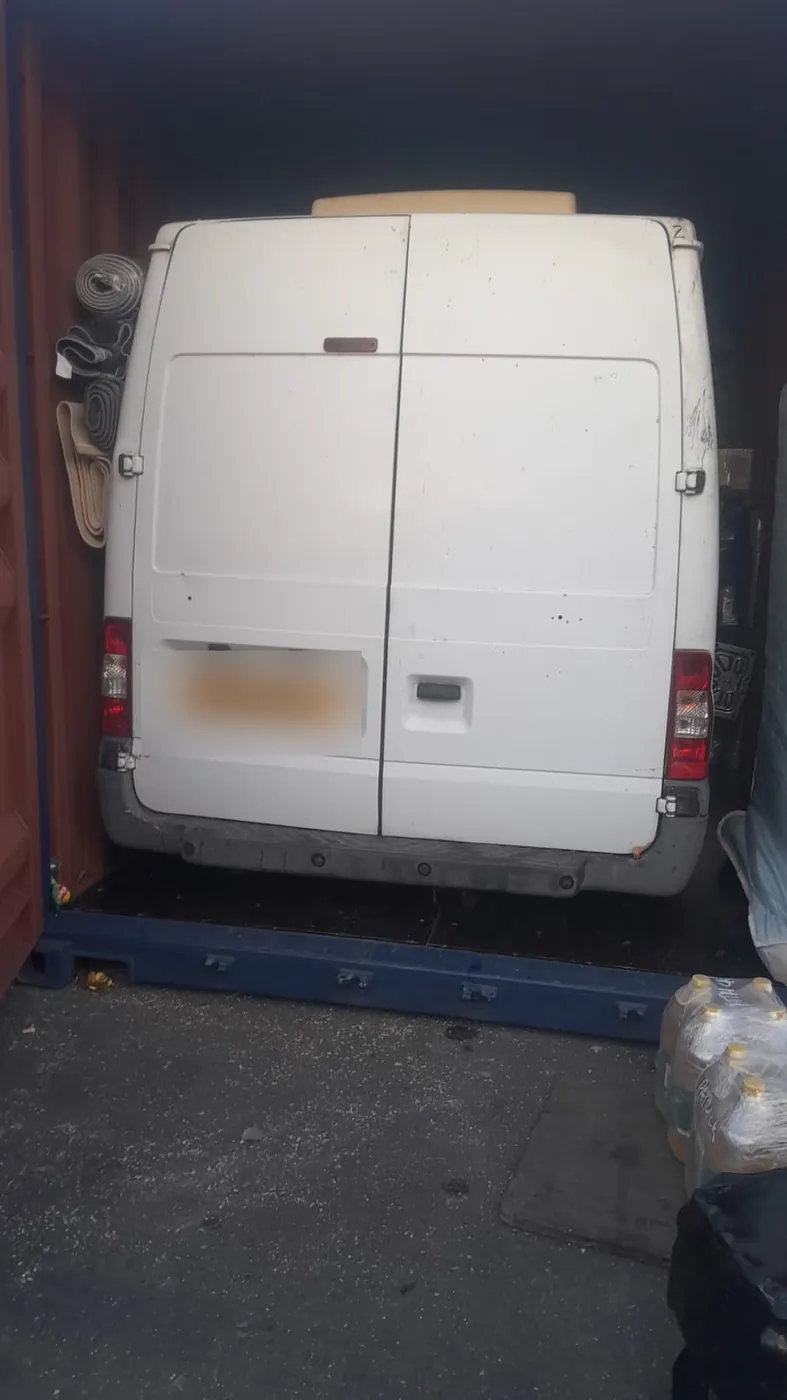
Vehicles are one of the most valuable things we move and one of the most rule-bound. Most of the process is straightforward — but one rule is absolute, and people meet it in the wrong order.
Nigeria Customs prohibits the import of any vehicle more than 12 years old from its year of manufacture. Not a higher duty rate: a prohibition. Check the manufacture year on the V5C before you hand over any money.
RoRo or container?
Most people shipping one ordinary running car choose RoRo. A container is worth discussing if you are relocating and would be shipping furniture anyway — filling the space around the vehicle can beat two separate shipments.
| RoRo | Container | |
|---|---|---|
| Priced by | Vehicle class and size | Container share or exclusive use |
| How it travels | Drives on, drives off | Loaded and sealed inside |
| Suits | A single running vehicle | Non-runners, high-value cars, car + household goods |
| Belongings inside | Generally not | Often possible — ask first |
What it costs
Our vehicle prices are landed prices: they include the sea freight, customs clearing, import duty and the port charges at Apapa. Most companies on this route publish the shipping alone and leave the duty for the port to spring on you. A standard car is a flat £2,000; larger vehicles are priced on the space they take, which is length and width:
| Vehicle | Price, duty and clearing included | Priced on |
|---|---|---|
| Standard car | £2,000 | Flat — larger cars on length and width |
| SUV / 4x4 | £2,500 – £3,500 | Length and width of the vehicle |
| Van | £3,500 – £5,000 | Length and width of the vehicle |
What you need
- V5C logbook for the vehicle
- Proof of purchase — invoice or receipt
- Photo identification for the shipper
- SONCAP compliance, which applies to vehicles
- A completely empty fuel tank — fuel makes it dangerous goods and carriers will refuse it
Duty on arrival — included in our price
Import duty in Nigeria is assessed on the vehicle’s value plus freight and insurance, with levies and VAT on top — a meaningful fraction of what the car cost, and on this route it is usually the surprise waiting at the port. We build it into the price we quote you, along with clearing and the port charges, so the figure agreed before the car leaves the UK is the figure that gets it out of Apapa. Our guide to duty on used cars shows how Customs arrives at the number.
What our price does not cover is the road beyond the port: collection from Apapa is included, and onward delivery to another state is quoted by state.
Motorcycles, vans and parts
Motorcycles and vans follow the same pattern: age limits, duty on value, and fuel completely drained. Spare parts are generally fine with duty, with one firm exception — used and retreaded tyres are prohibited outright. New tyres are fine.
Timing
Vehicles travel by sea, and clearing a vehicle takes longer than clearing a barrel — so vehicle cutoffs fall earlier than general cargo. If the car needs to be there for a particular date, check the current deadlines before you buy.
What's Included
- RoRo & container options
- Cars, 4x4s, vans & bikes
- Duty & clearing included
- Documentation guidance
Common questions
How much does it cost to ship a car to Nigeria?
A standard car is £2,000, SUVs £2,500–£3,500 and vans £3,500–£5,000 — including customs clearing, import duty and port charges at Apapa. Larger cars are priced on length and width, which is what determines the space they take on the ship. Onward delivery to another state is quoted by state.
How old can a car be to import into Nigeria?
No more than 12 years from the year of manufacture. Older vehicles cannot be imported at all. Check the manufacture year rather than the registration year, since a car registered in one year may have been built the year before.
What documents do I need?
The V5C logbook, proof of purchase and your photo identification as a minimum, plus SONCAP compliance. The vehicle must also be completely drained of fuel before shipping.
Is RoRo or container better?
RoRo is usually cheaper for a single running vehicle. A container makes sense if the car does not run, if it is valuable enough to want enclosed, or if you want to fill the remaining space with household goods.
Can I pack belongings in the car?
By RoRo, generally not. Inside a container it is often possible. Ask us before loading anything, because undeclared contents cause clearance problems that delay the whole shipment.
How much duty will I pay?
Nothing on top — our vehicle price includes the import duty, clearing and port charges. Customs assess the vehicle’s value themselves, which is why we quote on the exact car rather than publish a duty table.
How long does it take?
Sea transit plus clearance, typically 4–6 weeks — though vehicles usually clear more slowly than general cargo, so allow extra if there is a deadline.